






How to Get the Best Trade-In Value for Your Vehicle
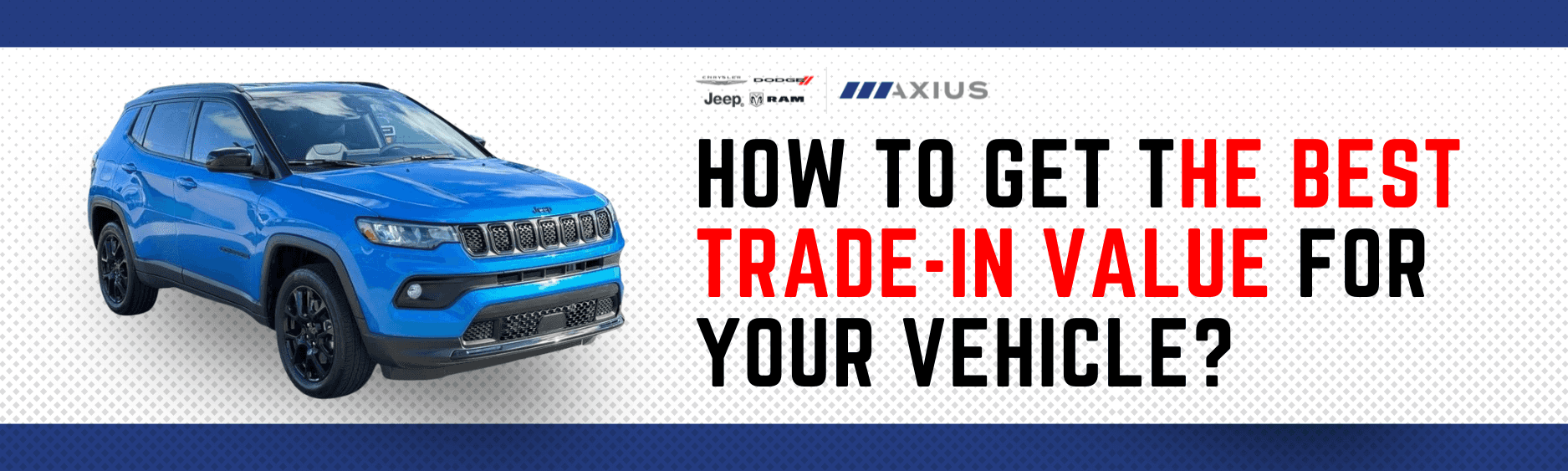 Trading in your current vehicle can be one of the easiest ways to lower the cost of your next car, truck, or SUV. Whether you are upgrading to a rugged Ram truck, a family-friendly Chrysler Pacifica, a capable Jeep SUV, or a performance-focused Dodge model, getting the most value from your trade matters.
Many drivers leave money on the table simply because they do not prepare their vehicle properly before visiting a dealership. A little planning can make a major difference in the final offer you receive. If you are wondering how to maximize your trade-in value, this guide covers the most important steps you can take before heading to your local CDJR dealership.
Why Trade-In Value Matters
Your trade-in value directly impacts the amount you will finance on your next vehicle purchase. A stronger trade-in offer can help:
- Reduce your monthly payment
- Lower your loan amount
- Decrease the size of your down payment
- Simplify the buying process
- Save time compared to selling privately
Trading in at a dealership is also far more convenient than listing your vehicle online, negotiating with strangers, and handling paperwork on your own.
Know Your Vehicle’s Current Market Value
Before visiting a dealership, research your vehicle’s estimated value. Understanding current market conditions gives you a realistic expectation and helps you feel more confident during the appraisal process.
Several factors influence trade-in pricing, including:
- Vehicle age
- Mileage
- Condition
- Accident history
- Trim level
- Features and technology
- Local demand
- Seasonal trends
For example, four-wheel-drive trucks and SUVs often hold stronger value in colder climates, especially during fall and winter months. Fuel-efficient sedans may become more desirable when gas prices rise.
Search for vehicles similar to yours online to see what comparable models are selling for in your area. Be honest about your vehicle’s condition when estimating value. Small cosmetic flaws may not dramatically hurt pricing, but major mechanical issues can reduce offers significantly.
Clean Your Vehicle Thoroughly
First impressions matter during the trade-in appraisal process. A clean, well-maintained vehicle suggests responsible ownership and can improve how appraisers view your trade.
You do not need professional detailing, but investing time in cleaning your vehicle can help it stand out.
Focus on These Areas:
Exterior
- Wash and wax the paint
- Clean wheels and tires
- Remove road salt and grime
- Fix minor scratches if affordable
Interior
- Vacuum carpets and seats
- Wipe down surfaces
- Remove stains and odors
- Clear out personal belongings
Under the Hood
- Remove leaves and debris
- Ensure fluids are topped off
- Make sure the battery area is clean
Smoke odors, pet hair, stains, and excessive clutter can negatively affect your vehicle’s presentation. A clean vehicle simply photographs and shows better during inspection.
Take Care of Minor Repairs
You do not need to spend thousands of dollars fixing every issue before trading in your vehicle. However, inexpensive repairs can sometimes increase your appraisal value more than their actual cost.
Common small fixes include:
- Replacing burned-out bulbs
- Repairing chipped windshields
- Installing new windshield wipers
- Fixing broken door handles
- Replacing worn floor mats
- Addressing warning lights
If your vehicle has major mechanical problems, ask the dealership whether repairing them first makes financial sense. In some cases, the repair cost may exceed the increase in trade-in value.
Gather Maintenance Records
Service history plays an important role in determining vehicle value. Keeping records shows that your vehicle was maintained consistently over time.
Bring documentation for:
- Oil changes
- Tire rotations
- Brake service
- Transmission maintenance
- Battery replacement
- Major repairs
Vehicles with documented maintenance histories often inspire more confidence during the appraisal process.
Avoid Excessive Mileage Before Trading In
Mileage significantly affects trade-in value. Every additional mile adds wear and lowers overall market desirability.
If you are planning to trade soon:
- Limit unnecessary road trips
- Avoid excessive commuting when possible
- Trade before major mileage milestones
Crossing milestones like 100,000 miles can impact resale value more than many drivers realize.
Fix Warning Lights Before Your Appraisal
Dashboard warning lights can reduce your trade-in value quickly. Even if the issue is relatively minor, dealerships often assume additional repairs may be needed.
Common warning lights include:
- Check engine light
- ABS warning
- Tire pressure warning
- Airbag warning
Some issues may involve inexpensive fixes such as replacing a sensor or tightening a gas cap. Having the vehicle inspected before trading can help identify affordable solutions.
Keep Your Tires in Good Shape
Worn tires can lower trade-in offers because dealerships may need to replace them before reselling the vehicle.
Inspect your tires for:
- Uneven wear
- Low tread depth
- Sidewall damage
If your tires are nearly bald, replacing them could improve your appraisal value. However, avoid overspending on premium tires if you plan to trade immediately.
Timing Can Impact Trade-In Value
The time of year can influence demand for certain vehicles.
Seasonal Examples:
- Trucks and SUVs often gain popularity before winter
- Convertibles tend to sell better during spring and summer
- Fuel-efficient vehicles may become more desirable during periods of high fuel prices
Market demand also changes frequently based on inventory levels and consumer trends. Trading while demand is strong can improve your offer.
Be Honest About Your Vehicle’s Condition
Transparency helps create a smoother appraisal process. Dealerships inspect trade-ins thoroughly, including:
- Vehicle history reports
- Mechanical systems
- Paint condition
- Tire wear
- Interior quality
Attempting to hide damage rarely works and can damage trust during negotiations.
Instead, focus on demonstrating that your vehicle has been cared for properly over time.
Remove Personal Modifications if Possible
Aftermarket modifications do not always increase vehicle value. In some cases, they may actually reduce buyer interest.
Examples include:
- Oversized wheels
- Lift kits
- Loud exhaust systems
- Custom lighting
- Performance tuning
If possible, returning your vehicle closer to factory condition may improve trade appeal to a wider range of buyers.
Have All Keys and Accessories Ready
Missing items can lower your trade-in value because replacements cost money.
Bring:
- All key fobs
- Owner’s manuals
- Cargo covers
- Headphones for entertainment systems
- Charging cables
- Factory accessories
Complete vehicles generally receive stronger offers.
Understand the Benefits of Trading at a CDJR Dealership
Trading your vehicle at a CDJR dealership offers several advantages compared to selling privately.
Convenience
The dealership handles paperwork, title transfers, and financing coordination.
Potential Tax Savings
In many states, trade-in value reduces the taxable amount of your new vehicle purchase.
Faster Process
You can trade your current vehicle and drive home in your next one the same day.
Competitive Market Knowledge
CDJR dealerships understand the value of popular models like:
- Ram 1500
- Jeep Wrangler
- Jeep Grand Cherokee
- Dodge Durango
- Chrysler Pacifica
Dealerships often seek quality pre-owned inventory, especially well-maintained trucks and SUVs.
Consider Getting Multiple Appraisals
If you want to maximize value, consider comparing offers from multiple dealerships.
Different dealers may value vehicles differently based on:
- Current inventory needs
- Local market demand
- Certified pre-owned opportunities
- Auction pricing trends
For example, a dealership with strong truck demand may offer more for a Ram or Jeep trade.
Pay Attention to Vehicle History Reports
Accident history can impact trade-in value, but not all accidents affect pricing equally.
Factors include:
- Severity of damage
- Airbag deployment
- Structural repairs
- Repair quality
If your vehicle was repaired professionally and drives properly, the impact may be smaller than expected.
Know the Difference Between Trade-In and Private Sale Value
Private-party sales often generate higher prices because there is no dealership reconditioning or resale cost involved.
However, selling privately also requires:
- Advertising
- Meeting buyers
- Negotiation
- Title handling
- Potential scams
- Scheduling test drives
Many drivers prefer the convenience and speed of trading at a dealership instead.
Prepare for the Appraisal Appointment
Before visiting the dealership:
- Wash the vehicle
- Organize documents
- Remove personal items
- Bring registration and title information
- Check tire pressure
- Ensure warning lights are off
Being prepared helps create a smoother experience and may help maximize your offer.
Upgrade Into a New CDJR Vehicle
Once you maximize your trade-in value, you can put that equity toward a newer vehicle that better fits your lifestyle.
Popular CDJR models include:
Ram Trucks
Perfect for towing, hauling, job sites, and everyday driving.
Jeep SUVs
Known for off-road capability, versatility, and adventurous styling.
Dodge Performance Vehicles
Ideal for drivers who want bold styling and strong horsepower.
Chrysler Family Vehicles
Comfortable, spacious, and technology-focused for daily family life.
Whether you need capability, efficiency, performance, or family comfort, trading in your current vehicle can make upgrading more affordable.
Final Thoughts
Getting the best trade-in value for your vehicle starts with preparation. Cleaning your vehicle, handling minor repairs, gathering maintenance records, and understanding market conditions can all improve your appraisal.
Trading at a trusted CDJR dealership offers convenience, speed, and competitive offers that help simplify the car-buying process.
If you are ready to upgrade into a newer Jeep, Ram, Dodge, or Chrysler vehicle, now is a great time to evaluate your current trade and explore your options. A little effort before your appraisal appointment can make a noticeable difference in the final value you receive.
0 comment(s) so far on How to Get the Best Trade-In Value for Your Vehicle