






How to Prepare Your Car for Fall
As summer comes to an end and temperatures start to drop, it is a good time to get your vehicle ready for fall. Changing weather, cooler mornings, falling leaves, rain, and shorter days can all affect how your car, truck, or SUV performs on the road. Taking care of a few maintenance items now can help you avoid unexpected problems later in the season.
Whether you drive a Jeep Wrangler, Ram 1500, Chrysler Pacifica, Dodge Durango, Jeep Grand Cherokee, or another vehicle, these fall car care tips can help you get ready for the season.
Check Your Tires Before Fall Weather Arrives
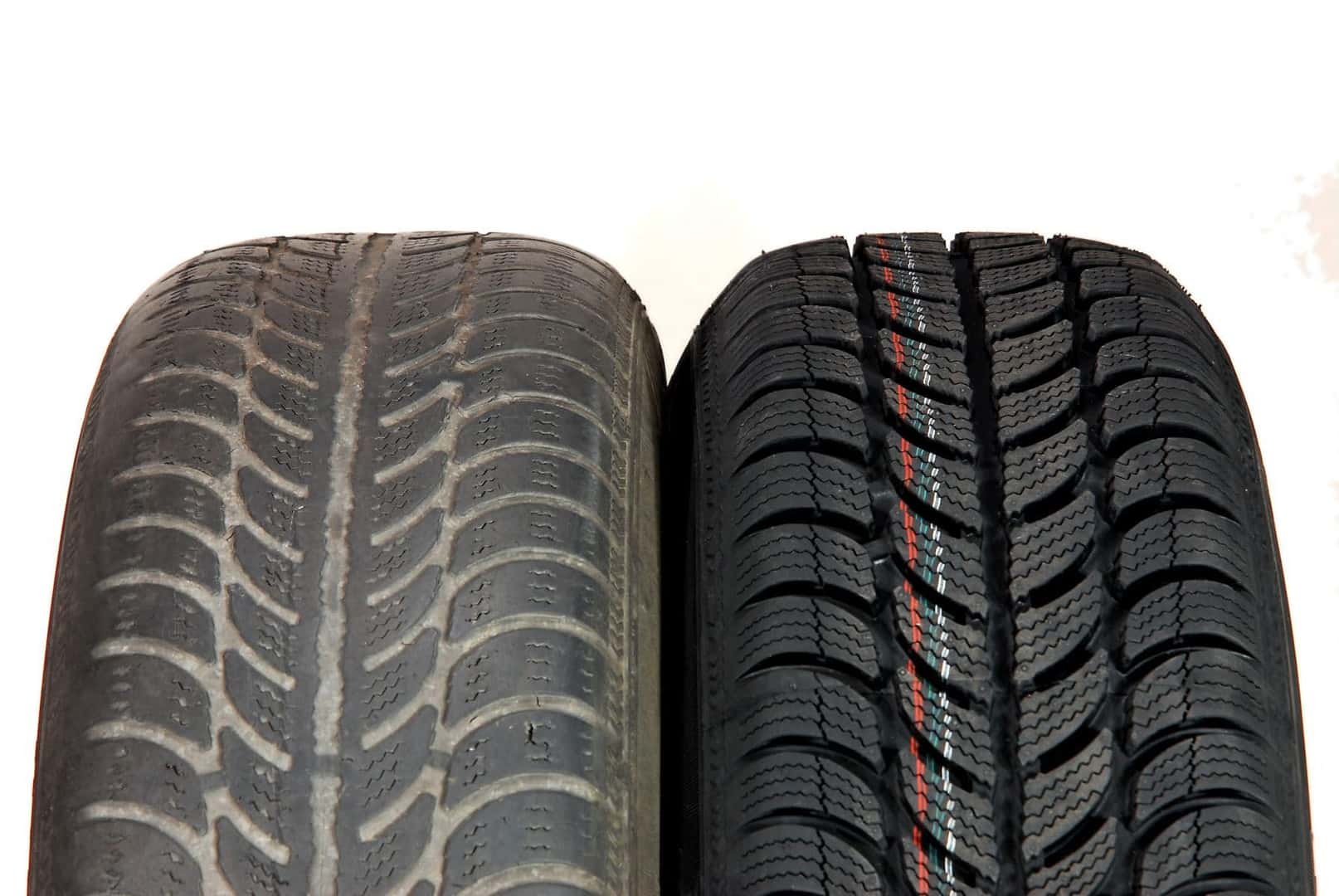
Your tires are one of the most important parts of your vehicle when road conditions begin to change. Cooler temperatures can cause tire pressure to drop, which can affect handling, fuel economy, and tire wear.
Check your tire pressure regularly throughout the fall and adjust it according to the manufacturer’s recommended specifications. You can find the correct pressure in your owner’s manual or on the vehicle information label, usually located inside the driver’s door.
While checking the pressure, take a look at the overall condition of your tires. Look for uneven wear, cracks, bulges, or objects stuck in the tread. Make sure your tread depth is still adequate for wet roads.
If your vehicle is equipped with four-wheel drive or all-wheel drive, remember that having extra traction does not eliminate the need for good tires. Your tires still play a major role in how your Jeep, Ram, Dodge, or Chrysler handles changing road conditions.
Inspect Your Brakes
Fall is a good time to have your brakes inspected, especially if you have noticed squeaking, grinding, vibration, or a change in how your vehicle stops.
Brake pads and rotors naturally wear over time. Catching excessive wear early can help prevent more expensive repairs and keep your vehicle ready for wet roads and increased traffic during the holiday season.
A professional inspection can also identify other potential brake issues before they become more serious. If your vehicle has been pulling to one side when braking or the brake pedal feels different than usual, schedule an inspection as soon as possible.
Test Your Battery
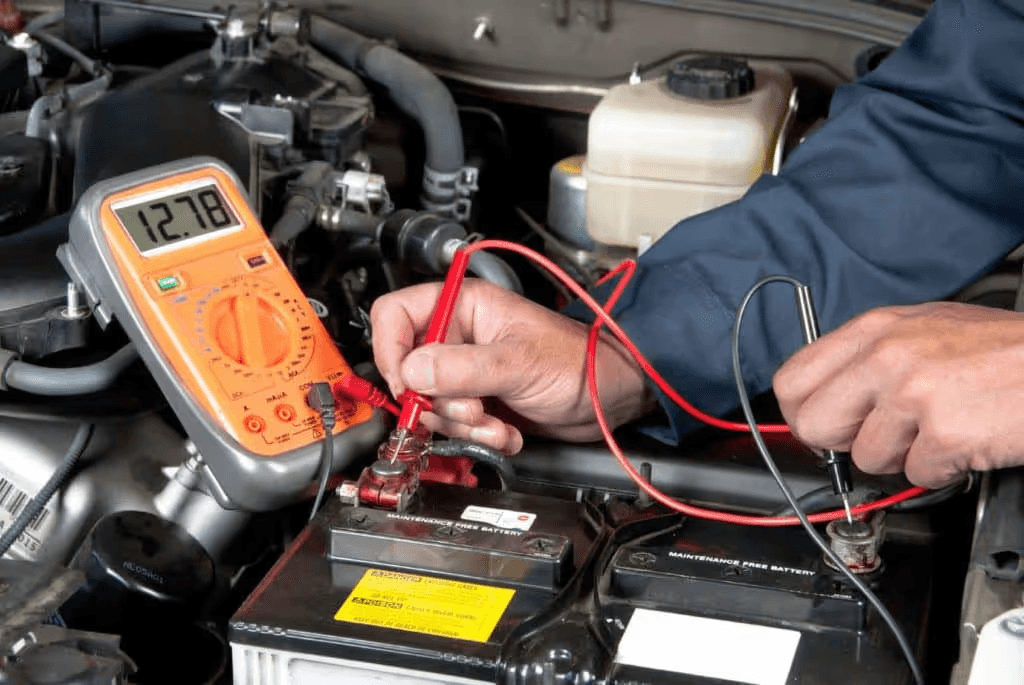
A vehicle battery can lose some of its strength as temperatures fall. If your battery is already several years old, fall is a good time to have it tested.
Battery problems can be especially frustrating when temperatures drop. A vehicle that starts normally during the summer may have difficulty starting on a cold morning if the battery is nearing the end of its service life.
During a battery inspection, technicians can check its charge and overall condition. They can also look for corrosion around the terminals and other signs of potential problems.
If you are unsure how old your battery is, check for a date code on the battery or ask your service department to inspect it.
Replace Worn Windshield Wipers
Summer heat and sun can take a toll on windshield wiper blades. By the time fall arrives, worn blades may leave streaks or fail to clear the windshield properly.
Good visibility becomes even more important as fall brings more rain, early sunsets, and changing weather. Inspect your wipers for cracking, splitting, or areas where the blade is no longer making full contact with the windshield.
If your wipers leave streaks or skip across the glass, it is probably time for a replacement.
While you are checking your wipers, make sure your windshield washer fluid reservoir is full. Keep a washer fluid rated for the temperatures you expect in your area as the season progresses.
Check Your Lights
The days get shorter in the fall, which means you will likely spend more time driving in darkness. Take a few minutes to make sure all of your exterior lights are working correctly.
Check your:
- Headlights
- High beams
- Brake lights
- Turn signals
- Reverse lights
- Hazard lights
- Fog lights, if equipped
Working lights help you see the road and make your vehicle easier for other drivers to see. This is particularly important during rainy mornings, evening commutes, and periods of reduced visibility.
If a headlight appears noticeably dimmer than the other side, have it inspected rather than waiting for it to stop working completely.
Change Your Oil and Check Your Fluids
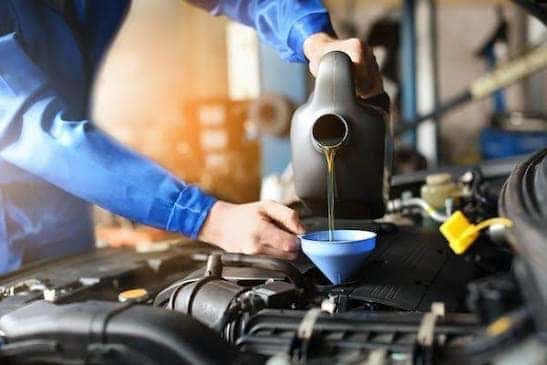
Regular fluid maintenance is an important part of preparing your vehicle for a new season. If you are approaching an oil change interval, fall is a convenient time to schedule your service.
During an oil change, a technician can also check several other important fluids and components. Depending on your vehicle, these may include:
- Engine coolant
- Brake fluid
- Transmission fluid
- Power steering fluid
- Windshield washer fluid
- Differential fluid
- Transfer case fluid
Jeep and Ram vehicles equipped for off-road driving or heavy-duty use may have additional maintenance requirements. Always follow the maintenance schedule recommended for your specific vehicle.
Keeping your fluids at the correct levels helps your vehicle’s systems operate as intended as temperatures change.
Check Your HVAC System
You may not need your heater during the warmer months, but fall is when you will start relying on it again.
Before the first really cold morning, test your vehicle’s heating system. Make sure warm air comes from the vents and that the fan operates at each setting.
It is also worth testing your defroster. A functioning defroster can help clear condensation and frost from the windshield when temperatures drop.
If your heater takes an unusually long time to produce warm air, the airflow seems weak, or you notice an unusual smell, have the system inspected.
Clean Leaves and Debris From Your Vehicle
Fall leaves may look great on the trees, but they can create problems when they collect around your vehicle.
Leaves and debris can accumulate around the windshield, hood, grille, and other areas. Pay particular attention to the area near the base of the windshield where water drains away from the vehicle.
Keeping these areas clear can help prevent debris from blocking drains. It is also a good idea to clean leaves from under the hood when you notice them building up.
If you park outside, regularly clearing leaves from your vehicle can prevent moisture and debris from sitting against exterior surfaces for extended periods.
Check Your Emergency Kit
Fall is also a good time to make sure your vehicle’s emergency supplies are ready. You do not need to fill your cargo area with unnecessary equipment, but a few basics can be useful.
Consider keeping items such as:
- Jumper cables or a portable jump starter
- Flashlight
- First-aid kit
- Basic tools
- Tire pressure gauge
- Blanket
- Bottled water
- Phone charging cable
- Work gloves
If you frequently travel through rural areas or take your Jeep or Ram off the beaten path, you may want to carry additional supplies appropriate for your driving conditions.
Also check that your spare tire, jack, and tire-changing equipment are present and in usable condition.
Prepare for Changing Road Conditions
Fall weather can change quickly. Rain, wet leaves, fog, and eventually frost can all create different driving conditions.
Wet leaves can become slippery, particularly when they cover the road. Give yourself additional following distance and avoid sudden braking or steering whenever possible.
As temperatures continue to fall, pay attention to weather forecasts and road conditions before longer trips. If you own a Jeep with four-wheel drive or a Ram truck equipped for challenging conditions, make sure you understand how your vehicle’s drive modes and traction systems work before you need them.
Technology and capability can help, but safe driving habits remain important in every season.
Consider Scheduling Fall Service
One of the easiest ways to prepare your vehicle for fall is to schedule a seasonal inspection with a qualified service department. A technician can look over key components and help identify maintenance needs before colder weather arrives.
A CDJR service department can help you keep your Chrysler, Dodge, Jeep, or Ram vehicle running properly throughout the year. From oil changes and tire inspections to brake service, batteries, and scheduled maintenance, taking care of these items now can help you head into fall with greater confidence.
Before the leaves are completely off the trees and temperatures start dropping, schedule your fall maintenance with your local CDJR service department. A little preparation now can help keep your vehicle ready for everything the season brings.
0 comment(s) so far on How to Prepare Your Car for Fall