






RAM Trucks: A History of American Innovation
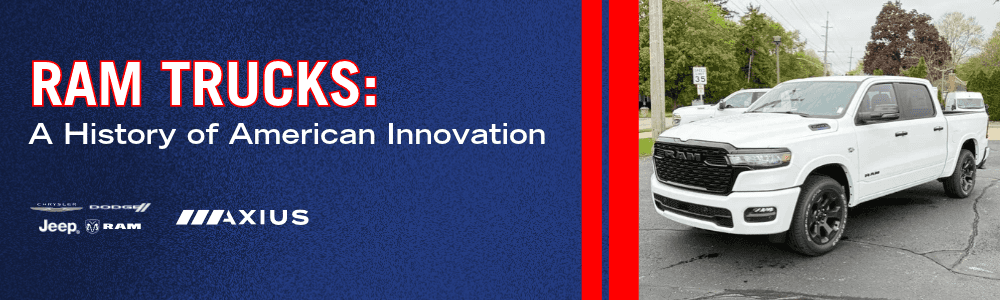
RAM trucks have earned a reputation for strength, capability, and hardworking performance. From the early days of Dodge trucks to today’s advanced RAM 1500, RAM 2500, and RAM 3500 models, the brand has continued to develop trucks built around the needs of American drivers. Whether hauling equipment to a job site, towing a trailer across Indiana, or taking the family on a weekend trip, RAM trucks have a long history of combining practical capability with thoughtful engineering.
Understanding the history of RAM trucks means looking at more than horsepower and towing capacity. It also means exploring how truck design, engine technology, comfort, and safety have changed over time. Each generation has brought new ideas to the market, helping shape what drivers expect from a modern pickup.
The Early Days of Dodge Trucks
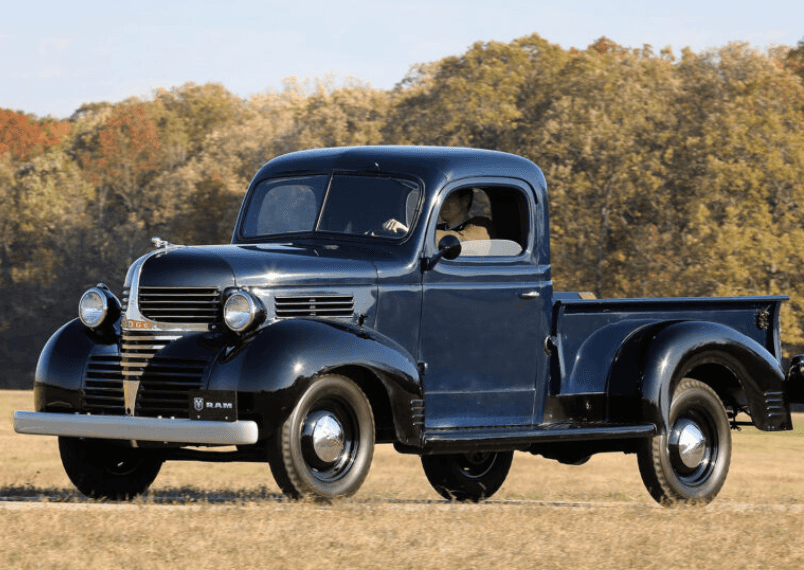
The story of RAM trucks begins with the Dodge Brothers, John and Horace Dodge, who established a company known for manufacturing dependable automotive components before expanding into complete vehicles. Dodge entered the truck market in the early 1900s, building on the growing demand for vehicles that could transport goods, support businesses, and handle demanding work.
As American communities expanded and businesses relied more heavily on motorized transportation, trucks became essential tools. Farmers needed vehicles to move supplies and produce, construction crews needed dependable transportation for equipment, and businesses needed practical ways to deliver products. Dodge developed trucks to meet these demands, helping establish a foundation for the brand’s reputation in the commercial vehicle market.
Throughout the following decades, Dodge trucks evolved alongside American industry. Improvements in engines, chassis construction, payload capacity, and vehicle design allowed trucks to take on increasingly demanding jobs. While early pickups focused heavily on utility, changing customer expectations eventually encouraged manufacturers to improve ride quality, interior comfort, and everyday drivability.
These early developments helped establish the principles that would continue to influence the RAM truck lineup: capability, durability, and engineering designed around real-world needs.
The Arrival of the RAM Name
One of the most recognizable parts of the brand’s history is the introduction of the RAM name. Dodge began using the ram’s head hood ornament in 1933, creating a visual connection to strength, determination, and ruggedness. The symbol became an enduring part of Dodge truck identity.
The RAM name eventually became more than a design feature. In 1981, Dodge introduced the RAM pickup nameplate, giving the trucks a distinct identity that carried into later generations. The name helped establish a clear image for the brand as pickup trucks became increasingly important to American drivers.
During the 1980s, truck buyers were looking for vehicles that could handle demanding work without sacrificing practicality. Dodge offered pickups in different configurations, with options designed for different workloads and driving needs. Buyers could choose a truck suited to everyday transportation, farm work, commercial use, or heavier hauling.
The RAM name also provided a foundation for future design changes. Over time, the lineup would develop a more recognizable appearance, stronger engine options, and a growing range of features intended to make trucks useful for both work and personal driving.
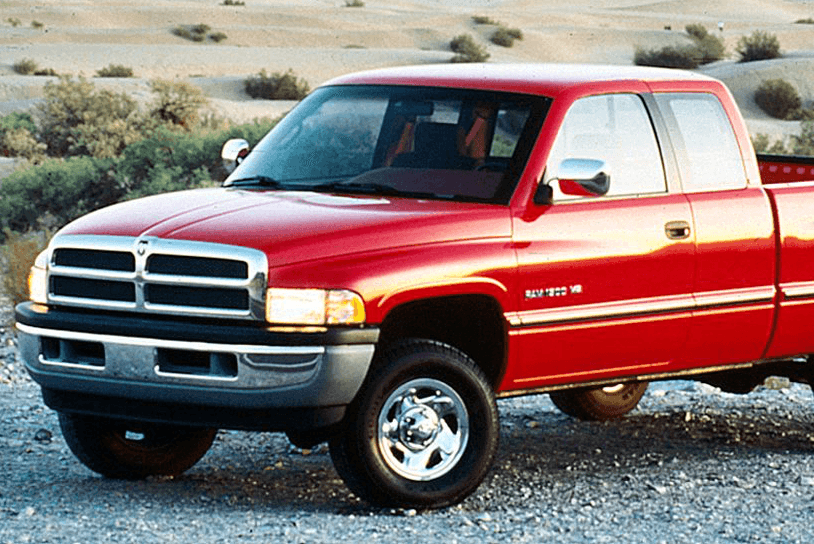 The 1994 Dodge Ram: A Major Design Breakthrough
The introduction of the redesigned 1994 Dodge Ram marked one of the most important turning points in RAM truck history. Rather than following the familiar styling of many traditional pickups, Dodge introduced a bold exterior with a prominent grille, muscular body lines, and a distinctive profile inspired in part by big-rig trucks.
The design made the Ram immediately recognizable. It helped demonstrate that a pickup could communicate strength through its appearance while still serving as a practical work vehicle.
The 1994 model also offered powerful engine choices, including available V8 engines and the popular 5.9-liter Cummins turbo-diesel in applicable heavy-duty configurations. The Cummins diesel became especially important among drivers who needed serious torque for towing and demanding work.
This generation attracted attention because it connected truck capability with personality. Buyers could choose a pickup that performed demanding tasks while offering a design that stood apart from competing models.
The redesign also helped strengthen Dodge’s position in a competitive truck market. It showed how thoughtful styling, engine options, and a clear identity could influence the way customers viewed a pickup. Many later RAM design decisions continued to build on the bold approach established during this period.
Building a Reputation for Power and Towing
Engine development has played a major role in the history of RAM trucks. Pickup buyers often need more than basic transportation. They need dependable power for hauling building materials, towing campers, transporting livestock, and moving heavy equipment.
RAM has offered a range of gasoline and diesel engines to meet these different requirements. The Cummins turbo-diesel, in particular, became closely associated with RAM heavy-duty pickups. Its emphasis on torque made it appealing to drivers who regularly tow substantial loads or use their trucks for commercial work.
The RAM 2500 and RAM 3500 developed into important options for customers who needed more capability than a light-duty pickup could provide. Depending on the configuration, these trucks can offer higher towing and payload capacities, stronger chassis components, and equipment designed for demanding applications.
The RAM 1500 serves a different but equally important role. It is designed for drivers who want a capable full-size truck for daily driving, recreational activities, light-duty work, and towing within the vehicle’s rated limits.
This variety reflects an important part of RAM’s development. Instead of treating every truck buyer as having the same needs, the lineup provides different levels of capability to accommodate different jobs and lifestyles.
From Work Truck to Everyday Comfort
As pickup trucks became more common outside commercial settings, buyers began expecting more from their vehicles. A truck could still be a hardworking tool, but it also needed to provide a comfortable place to spend time during a long commute or family road trip.
RAM responded to this shift with improvements in cabin design, seating, storage, ride quality, and available technology. Later generations placed greater emphasis on interior materials and passenger comfort, helping make pickups more appealing to drivers who wanted one vehicle for several purposes.
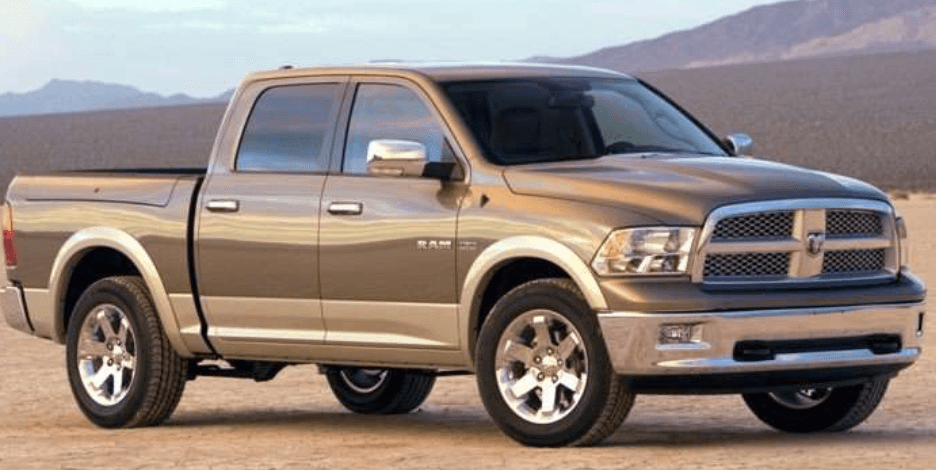
The 2009 Dodge Ram 1500 introduced a redesigned suspension system that included a coil-spring rear suspension, a notable change for a full-size pickup. The design helped improve ride comfort while maintaining the practical capabilities expected from a truck.
Interior development continued in subsequent generations. Available features across modern RAM models have included large touchscreen displays, smartphone integration, premium audio systems, heated and ventilated seating, and useful storage solutions. Exact equipment varies by model year and trim.
These improvements reflect how truck ownership has changed. Some drivers use their pickups throughout the workday and then drive them to school activities, restaurants, or weekend destinations. A comfortable cabin and convenient technology can make that transition easier without eliminating the benefits of a capable truck.
The Evolution of RAM Technology
Modern RAM trucks demonstrate how far pickup engineering has advanced. Features that were once associated primarily with luxury vehicles have become available in select truck configurations, giving drivers more ways to stay comfortable, informed, and connected.
Technology plays an important role in how drivers interact with their vehicles. Available infotainment systems provide access to navigation, media, smartphone connectivity, and vehicle settings. Depending on the model and equipment, drivers may also have access to digital driver displays, parking assistance features, cameras, and advanced driver-assistance systems.
Engine technology has evolved as well. Modern gasoline engines, turbocharged options, and diesel powertrains serve different purposes within the lineup. Some configurations prioritize everyday drivability, while others emphasize torque and towing capability.
The available RamBox Cargo Management System is another example of practical innovation. Offered on select configurations, it provides lockable storage compartments integrated into the truck bed sides. This gives drivers additional space for tools, equipment, and other items without taking up the entire bed.
RAM trucks have also incorporated features intended to make towing easier, including available trailer monitoring and camera technologies on certain models. These systems can help drivers manage towing tasks, although proper loading, equipment selection, and adherence to rated capacities remain essential.
The goal behind these developments is straightforward: make a truck more useful while helping drivers handle daily responsibilities with greater convenience.
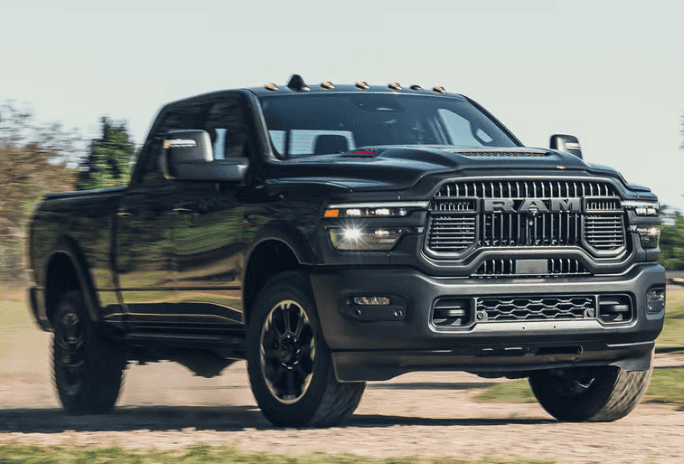 RAM Trucks Today: Different Trucks for Different Jobs
Today’s RAM lineup reflects decades of development in truck performance, design, and technology. The RAM 1500 is a popular choice for drivers seeking a full-size pickup that can handle commuting, home projects, recreational towing, and everyday utility.
For heavier demands, the RAM 2500 and RAM 3500 offer heavy-duty configurations designed for demanding work and substantial towing needs. Available engine options, cab styles, bed lengths, axle configurations, and equipment packages allow buyers to select a truck that better fits their intended use.
Choosing the right truck requires more than looking at the model name. Towing and payload ratings vary according to the engine, drivetrain, cab, bed, axle ratio, and installed equipment. Drivers should review the specifications for the exact configuration they are considering, especially when planning to tow a camper, boat, equipment trailer, or other heavy load.
Trim levels also help buyers find a balance between capability and comfort. Some configurations emphasize straightforward utility, while others offer upgraded materials, additional convenience features, and more advanced technology.
For drivers in Northern Indiana, these differences can matter throughout the year. A truck might need to handle work equipment during the week, transport supplies for home projects, and tow recreational equipment during warmer months. Selecting the right configuration can help ensure the vehicle meets those practical needs.
The Future of RAM Truck Innovation
RAM’s history shows how pickup trucks have adapted to changing expectations. Early Dodge trucks helped businesses and communities move goods. Later generations brought distinctive styling, stronger powertrains, improved ride quality, and more sophisticated interiors. Modern models continue to combine traditional truck capability with technology and comfort.
The industry is also exploring new approaches to powertrain design, efficiency, connectivity, and vehicle capability. RAM’s expanding electrification efforts, including the all-electric RAM 1500 REV concept and the plug-in hybrid Ramcharger announced for the 1500 lineup, have reflected the brand’s interest in alternative ways to deliver truck performance. Product availability and future plans can change, so buyers should consult current manufacturer information for the latest offerings.
Whatever direction truck technology takes, the basic needs of pickup owners remain familiar. Drivers want a vehicle suited to their work, dependable performance for their intended use, and features that make everyday driving easier.
Explore RAM Trucks at Axius CDJR
The history of RAM trucks is a story of continual development, from early Dodge work vehicles to modern pickups with advanced technology and a wide range of capabilities. The brand has adapted to the needs of drivers while maintaining a strong focus on utility, power, and distinctive design.
If you are considering a new or used RAM truck, Axius CDJR can help you explore the available options. Whether you are interested in a versatile RAM 1500, a hardworking RAM 2500, or a heavy-duty RAM 3500, comparing configurations and features is a useful first step toward finding the right fit.
Visit Axius CDJR to explore available RAM trucks, learn about current offers, and speak with the team about your driving and towing needs. With several models and configurations to consider, you can find a truck built to suit the way you work, drive, and spend your time.
See our current New RAM inventory
See our current Used RAM inventory
0 comment(s) so far on RAM Trucks: A History of American Innovation