






Should You Buy New or Used in Today’s Market?
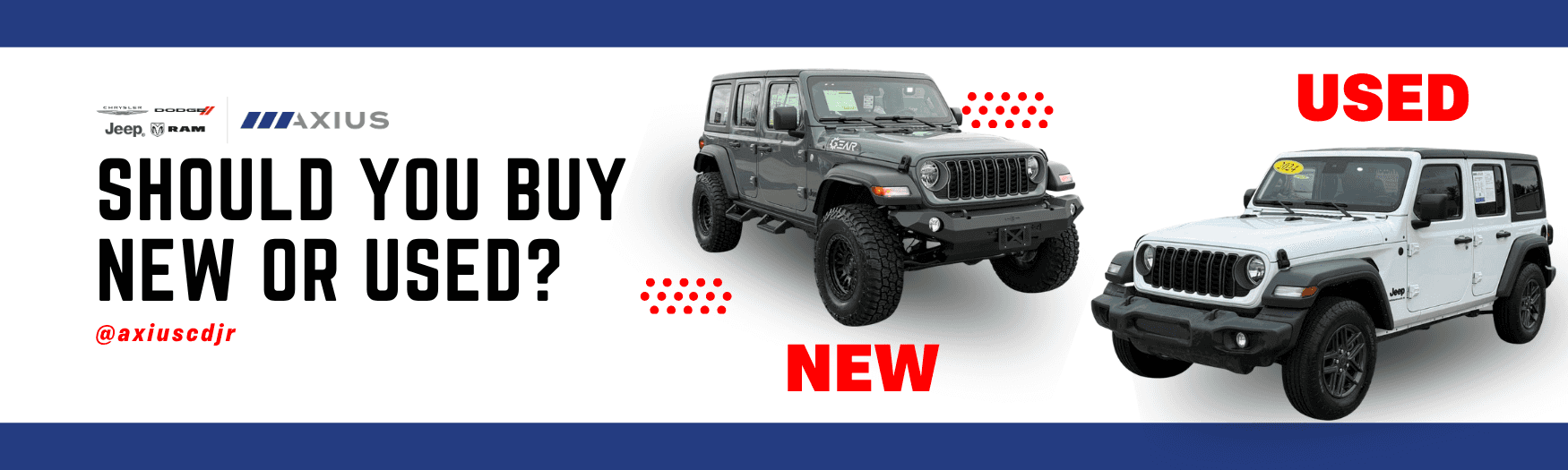
If you’re in the market for a new vehicle, you might be overwhelmed with the amount of questions, options, opinions, and choices that come up when working through this process. While these may seem daunting, we are working to provide as much information and clarity as possible to make these difficult decisions easier to navigate.
When you start your search for a new car, the first question that may come up is, should you buy new or used? While this may seem like a simple question, it actually makes a huge difference in all areas of the car-buying experience, and both options have their respective pros and cons. The car-buying process has changed drastically in recent years, and because of that, the benefits of new vs. used have shifted drastically.
Why Buy New?
-
Tech
- With how quickly technology, engineering, and design are evolving, buying a new vehicle can guarantee that you get access to the latest and best technology. Usually improvements are minor from year to year, but from generation to generation there are often complete redesigns both inside and out, and the changes can greatly improve the driving experience. These changes can vary from simple screen size improvements to impressive new features that revolutionize driving. These are something to consider when shopping, and if there is a specific feature you have to have in your ride, your salesperson will help you get into that perfect ride.
-
Warranty
-
- One of the biggest reasons to choose new is because of the factory warranty. With all those aforementioned technologies and engineering developments, repair bills can also become extremely expensive if something should go wrong. Having a warranty gives the buyer peace of mind that they are taken care of in the case of a mechanical or electrical failure.
-
Incentives
- There are usually incentives happening for most manufacturers at all times, which are only available for new units. These incentives can range from cash offers, APR specials, and rebates. These can make significant changes in both sticker price and monthly payments, which are most people’s main concerns when buying a new car.
-
Choices
- When you buy new, you have the opportunity to custom order your vehicle with the exact specifications you want. There is a waiting period while it is built, but this allows you full control over your features and price. There are also usually more options on the lot, as well. These choices can allow you to get exactly what you want in a vehicle and find the best price point for you.
-
Lower APR
- Because of the lower liability, many lenders offer significantly lower APR when you buy a new vehicle. This fact, along with incentives, can sometimes bring your monthly payment on a new vehicle lower than if it were used. The lower APR also means that you are not going to end up paying a significant amount over what the actual deal was signed at.
Downsides of a New Vehicle?
-
Sticker Price
-
- The most obvious reason people don’t opt for new is because the MSRP is going to be higher than that of a used version of the vehicle. This happens because the prices are more ‘set in stone’ than they are on a used vehicle.
-
Higher Payments
-
- Unless you run into a special circumstance like that mentioned earlier when low APR and incentives meet to maximize savings, you are generally going to pay more a month on a new vehicle because it has a higher sticker price.
-
Resale Value
-
- Another major deterrent for new cars is that you have to face the largest depreciation the vehicle will have as soon as you buy it. This can be a huge problem for people who like to switch vehicles often because the negative equity can add up fast.
Benefits of Buying Used?
-
Lower Cost
-
- The main reason to buy used is because the unit will have a lower sticker price than if you had bought it new. This is obviously a huge factor to most buyers and is the main driving point for buying used.
-
Smaller Depreciation
-
- Your used vehicle will depreciate, but it will not have that huge initial hit that buying new does and is a better option for someone who wants to drive a vehicle for a few years and then trade out of it.
-
Offers Flexibility
-
- You can often drive onto any used lot and see that there are many options of years, mileage, brands, and models that the new side of the lot cannot have. This is important to those looking to maximize what they get for their budget, because you can pick and choose if mileage, age, or features are most important to you.
How Can Buying a Used Car Backfire?
-
Repair Bills
-
- When you purchase a used vehicle, especially one “as is,” any repairs that may come up after purchase fall solely on you unless you have purchased an added warranty, which adds to your monthly payment. These bills can add up fast; from small repairs to major malfunctions, these become your responsibility.
-
Higher APR
-
- The higher APR that comes with financing a used vehicle can drive up your monthly payment, especially if you have less than great credit. This is important to think about because while you may be getting more car for less, you will end up paying a higher amount after the loan is paid off.
-
Cosmetic Issues
-
- Dealers cannot restore used vehicles back to factory perfection, so when you buy used, be prepared to have paint chips, scratches, or minor dents. Dealers may offer to remove ones that are possible to, but when it comes to major repairs, they will simply factor it into the price of the car, and the buyer will have to make the decision if they are okay with it or not.
Key Differences
Price
- Used will have a lower sticker price, but when factoring in added warranties or repairs, you may end up spending more than if you simply bought new.
Warranty
- New cars come with a factory warranty, and this will help protect you from large repair bills. Used cars can be sold with added warranties to prevent those major repair bills, but without them, you are stuck with the bill.
Options
- You have more options for features and customization when you buy new, but there are also more options for less money when you are looking at used cars; you may just have to pick and choose what is more important to you.
Financing
- Financing options vary between new and used, and oftentimes lenders will give better rates for newer vehicles.
Will These Hold True Forever?
The car-buying world is always evolving and changing. Right now this is the current landscape, but in 5-10 years no one can predict what will happen. We always do our part to be transparent and clear with our pricing, because we know this process is already confusing, and all the moving pieces can make it even more so.
Summary
Overall, whether you choose to buy new or used is a personal decision made with budget, options, and needs in mind. There are pros and cons to both, and the choice that is right for you will vary based on what you’re looking for. The best way to know for sure is to come into the dealership with a budget and needs in mind and talk to your sales person about what would be better for you.
Ready to move into a new ride? Check out our current inventory.
Follow Us on Facebook
Come see us at 1811 Elkhart Road, Goshen, IN 46526
0 comment(s) so far on Should You Buy New or Used in Today’s Market?