






The Forgotten CDJR Vehicles That Deserve More Recognition
When people think about Chrysler, Dodge, Jeep, and RAM, a few familiar names usually come to mind. The Jeep Wrangler, Dodge Charger, RAM 1500, and Chrysler Pacifica have all earned their places in automotive conversations. However, the history of CDJR includes plenty of other vehicles that made an impression, introduced interesting features, or offered something different from the competition.
Some were ahead of their time. Others were overshadowed by more popular models in their own lineups. A few have slowly disappeared from everyday conversations despite having qualities that made them worth remembering.
From unusual Dodge designs to underrated Jeep models and forgotten Chrysler favorites, here are several CDJR vehicles that deserve more recognition.
1. Dodge Magnum: The Performance Wagon That Stood Out
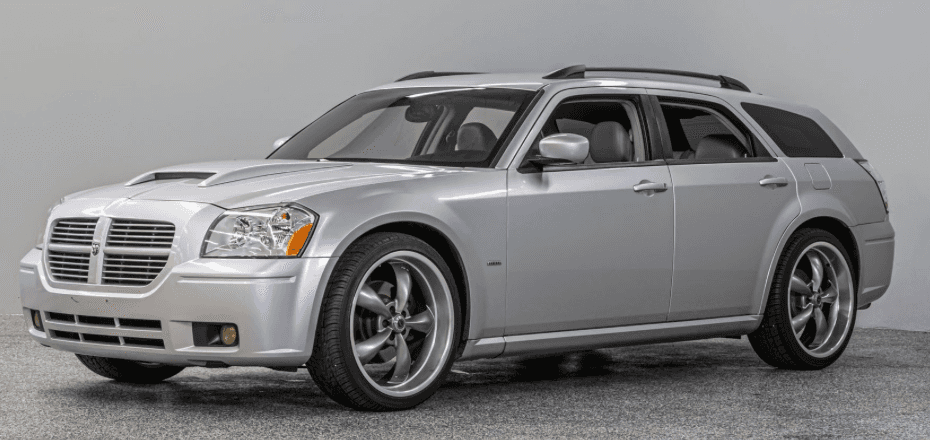
The Dodge Magnum is one of the more recognizable forgotten vehicles in Dodge’s modern history. Produced from 2005 through 2008, the Magnum brought together the practicality of a station wagon and the personality of a performance-oriented Dodge.
Its long roofline, wide stance, and aggressive front end gave it a look that separated it from traditional family vehicles. It also offered plenty of cargo space, making it a practical option for drivers who wanted something different from a typical SUV.
The Magnum became especially interesting with the available HEMI V8 engine. The R/T model offered serious performance, while the SRT8 took things further with a 6.1L HEMI V8 producing 425 horsepower.
At a time when SUVs were becoming increasingly popular, the Magnum offered another way to combine everyday usability with muscle car performance. Today, it remains a favorite among enthusiasts who appreciate its unusual combination of space and power.
2. Jeep Comanche: The Pickup That Helped Shape Jeep’s Truck History
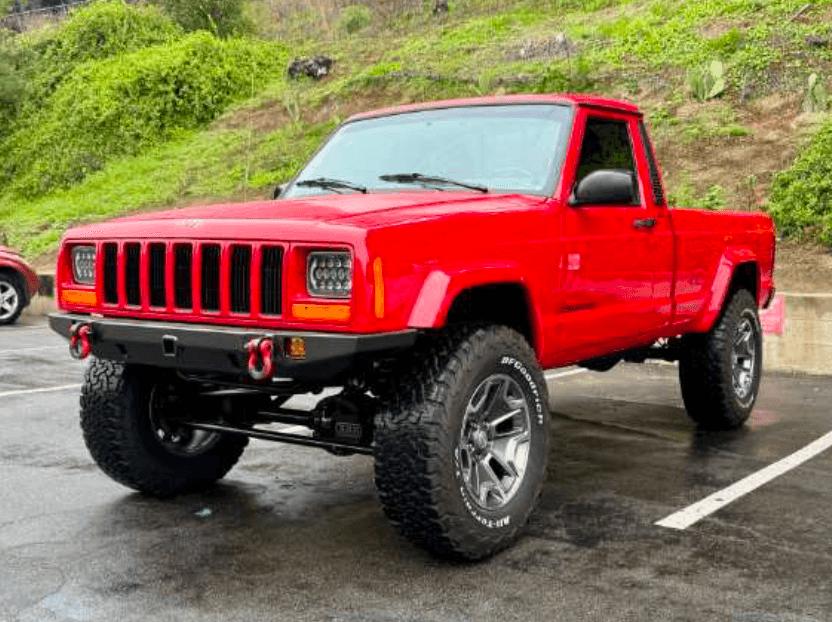 Before the Gladiator returned to the Jeep lineup, the brand had another pickup worth remembering: the Jeep Comanche.
Produced from 1986 through 1992, the Comanche was based on the popular Jeep Cherokee platform. It offered the familiar styling and off-road capability of Jeep while giving drivers the added utility of a pickup bed.
Buyers could choose between different bed lengths, engine options, and drivetrain configurations. Four-wheel drive models made the Comanche particularly appealing to drivers who needed a truck that could handle more than paved roads.
The Comanche also benefited from Jeep’s strong reputation for off-road engineering. Its combination of a pickup bed and available four-wheel drive made it useful for work, recreation, and everyday driving.
Although it eventually left production, the Comanche helped establish Jeep’s history in the pickup truck market. Its influence can be seen in the modern Jeep Gladiator, which brought the brand back into the midsize truck segment decades later.
3. Chrysler Crossfire: A Sports Car With a Unique Identity
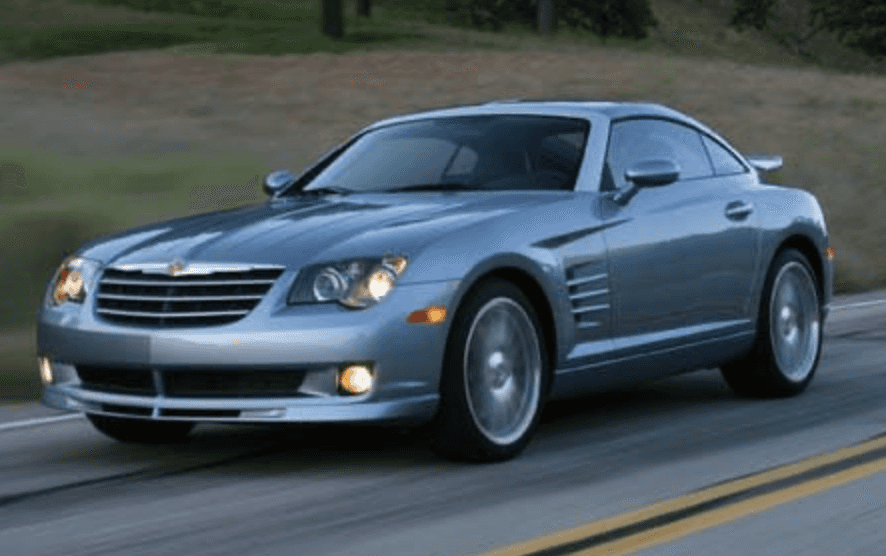
The Chrysler Crossfire was one of the more unusual vehicles to come from Chrysler during the early 2000s. Produced from 2004 through2008, this two-seat sports car featured styling that was difficult to confuse with anything else on the road.
Its design featured a distinctive rear profile, prominent side contours, and a long hood that gave it a European-inspired appearance. The Crossfire also had an interesting connection to Mercedes-Benz, sharing its platform and several mechanical components with the first-generation Mercedes-Benz SLK.
The standard Crossfire used a 3.2L V6 engine, while the Crossfire SRT6 featured a supercharged version producing 330 horsepower.
The SRT6 was particularly impressive for its time, offering strong acceleration and a more performance-focused driving experience.
The Crossfire may not have reached the popularity of other Chrysler models, but it remains an interesting example of the brand experimenting with a different type of vehicle. Its styling and engineering connections make it worth another look from automotive enthusiasts.
4. Dodge Neon SRT-4: A Small Sedan With Serious Performance
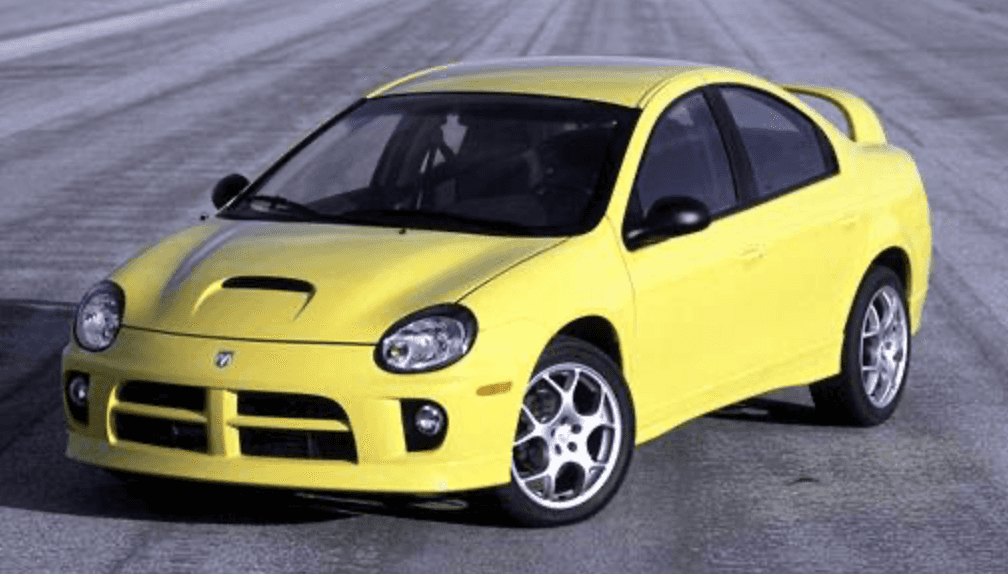
The Dodge Neon SRT-4 proved that a performance car did not need a large engine or an expensive price tag to get attention.
Introduced for the 2003 model year, the SRT-4 transformed the compact Neon into a turbocharged performance sedan. Its 2.4L turbocharged four-cylinder engine produced 215 horsepower initially, with later models receiving an increase to 230 horsepower.
Those numbers made the SRT-4 a serious competitor in the affordable performance market. It featured a five-speed manual transmission, upgraded suspension, larger brakes, and styling that made it stand out from the standard Neon.
The SRT-4 developed a following among enthusiasts who appreciated its tuning potential and relatively accessible performance. It also helped establish the SRT name as an important part of Dodge’s performance identity.
Although newer Dodge performance vehicles often receive more attention, the Neon SRT-4 deserves recognition for bringing turbocharged performance to a much broader group of drivers.
5. Jeep Patriot: An Underrated Entry-Level SUV
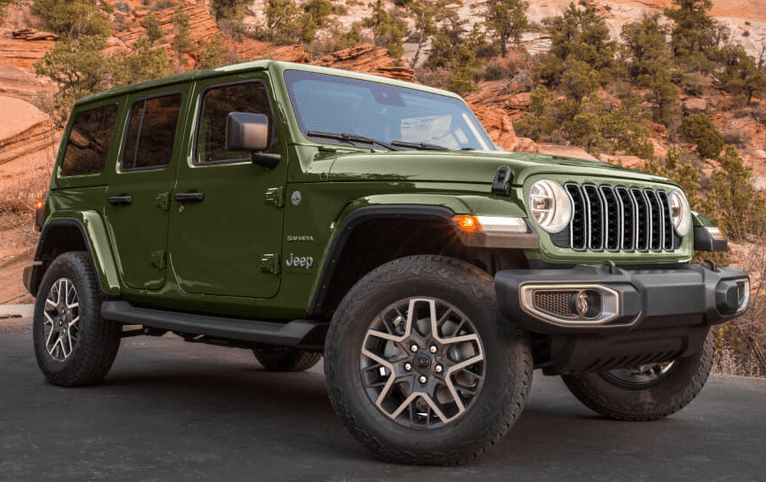 The Jeep Patriot spent much of its production run competing in a crowded compact SUV market. Produced from 2007 through 2017, it offered an accessible way for drivers to get into a Jeep.
The Patriot featured traditional Jeep-inspired styling, available four-wheel drive, and a relatively compact footprint. It was designed for drivers who wanted the flexibility of an SUV without moving into a larger vehicle.
One of its more interesting features was the available Freedom Drive II package. This package added additional off-road-oriented equipment and gave certain Patriot models a more capable setup for rougher terrain.
The Patriot was not designed to replace the Wrangler or Grand Cherokee. Instead, it filled a different role in the lineup by offering everyday practicality with available Jeep four-wheel-drive capability.
Today, the Patriot is worth remembering as an important part of Jeep’s effort to reach more budget-conscious SUV shoppers.
6. Chrysler 300: The Full-Size Sedan That Made Luxury Feel Accessible
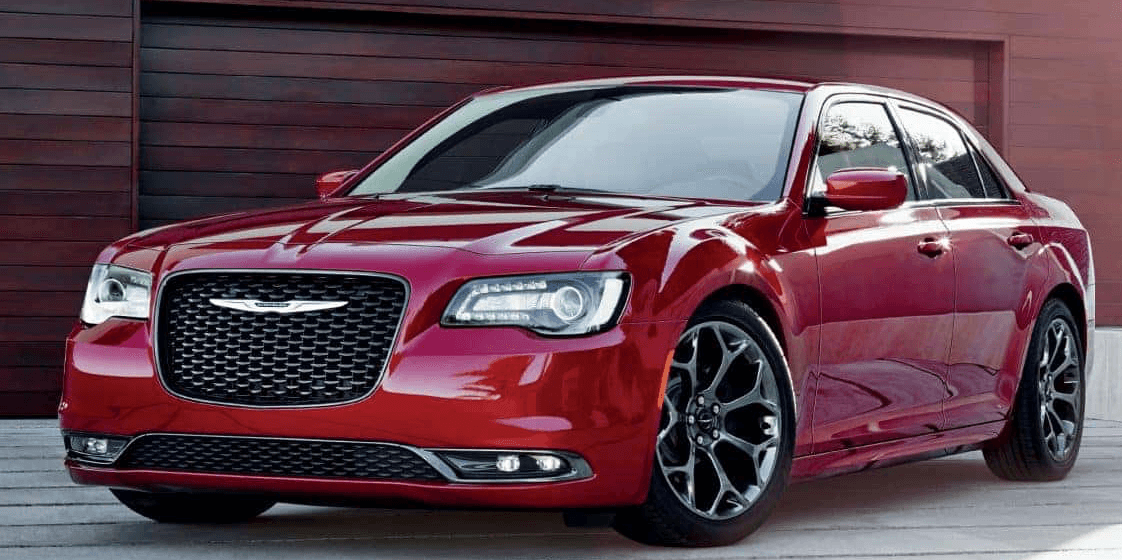
The Chrysler 300 is still familiar to many drivers, but its impact on the automotive market deserves more recognition.
When the redesigned 300 arrived for the 2005 model year, it introduced a bold design that looked different from many of the full-size sedans available at the time. Its upright grille, wide body, and rear-wheel-drive platform gave it a commanding presence.
The 300 also offered several engine options, including available HEMI V8 power. The 300C became particularly popular among drivers who wanted V8 performance, a comfortable interior, and a more upscale driving experience.
Over the years, Chrysler continued refining the 300 with updated technology, interior materials, and available all-wheel drive. The model remained in production through the 2023 model year, making it one of the longer-running nameplates in the modern Chrysler lineup.
The Chrysler 300 helped show that a full-size American sedan could offer a combination of comfort, performance, and distinctive styling without requiring buyers to move into a traditional luxury brand.
7. Dodge Dakota: The Midsize Truck That Had Its Own Following
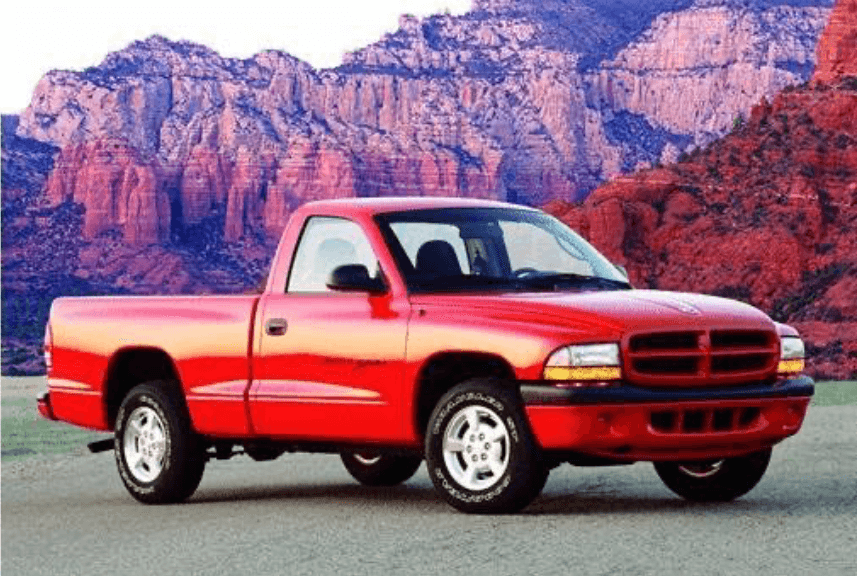
The Dodge Dakota often gets overlooked when conversations turn to the history of Dodge trucks. However, it played an important role in the midsize pickup market.
Produced from 1987 through 2011, the Dakota occupied a space between compact pickups and full-size trucks. This gave buyers an alternative when they wanted more capability than a small truck but did not need the size of a RAM 1500.
One of the Dakota’s biggest selling points was its available V8 engine. The third-generation Dakota offered a 4.7L V8, giving buyers access to additional power in a midsize truck.
The Dakota also had a performance-focused version known as the Dakota R/T. This model featured a 5.9L Magnum V8 and rear-wheel drive, creating a unique combination of pickup utility and muscle truck personality.
For drivers who remember the Dakota, it represents a time when midsize trucks offered a wider variety of engine choices and personalities. With the popularity of midsize pickups today, it is easy to see why the Dakota still deserves a place in the conversation.
8. Jeep Liberty: A Different Take on Jeep Capability
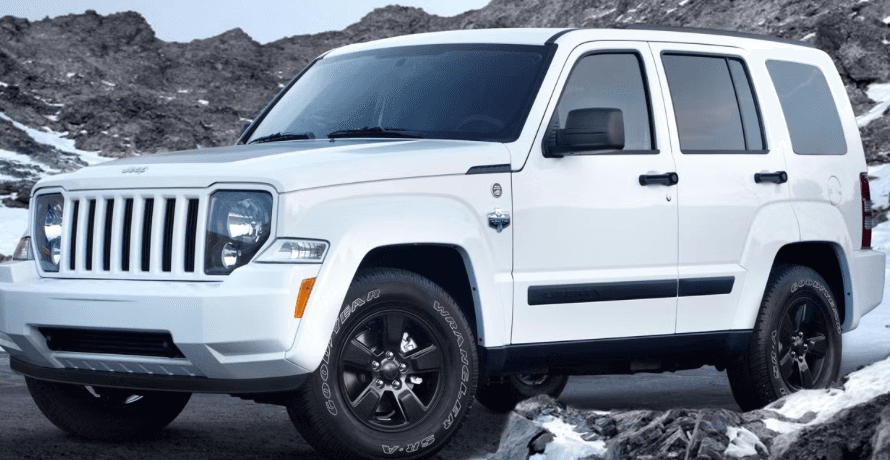
The Jeep Liberty offered a different approach to the Jeep SUV lineup. Produced from 2002 through 2012, it served as a compact SUV with available four-wheel drive and recognizable Jeep styling.
Unlike the larger Grand Cherokee, the Liberty offered a smaller footprint that made it easier to maneuver in everyday driving. It also retained several features that appealed to drivers who wanted to venture beyond paved roads.
The Liberty featured available systems such as Command-Trac and, on certain models, Selec-Trac four-wheel drive. These systems gave drivers different ways to handle changing road and trail conditions.
The second-generation Liberty also introduced a more refined interior and updated styling while maintaining its practical SUV design.
Although it was eventually replaced by the Cherokee in Jeep’s lineup, the Liberty helped bridge the gap between smaller crossover-style SUVs and more traditional off-road-oriented vehicles.
9. Dodge Viper: An American Performance Icon Worth Remembering
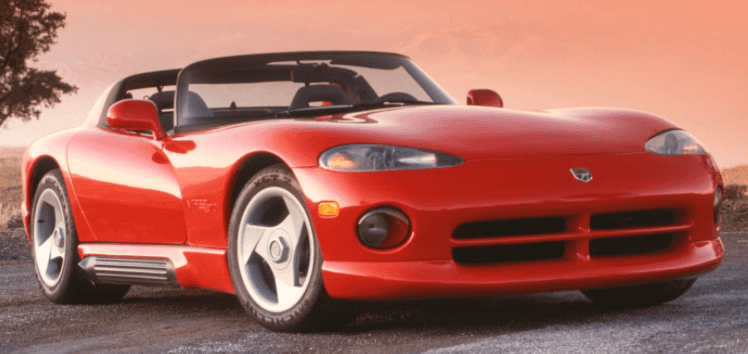
The Dodge Viper is hardly an obscure vehicle among automotive enthusiasts, but it often gets overshadowed in conversations about the modern Dodge lineup.
Introduced in 1992, the Viper was developed as a high-performance sports car with a focus on raw power and a direct connection between the driver and the road.
Its most recognizable feature was its massive V10 engine. The original 8.0L V10 produced 400 horsepower, which was an impressive figure for the early 1990s. Later generations received larger engines and significant performance improvements.
The Viper was known for its aggressive styling, long hood, wide body, and demanding driving characteristics. It was built with a very different philosophy from many modern performance cars, prioritizing power and driver involvement.
Production ended after the 2017 model year, leaving behind a vehicle that helped establish Dodge as a serious name in American high-performance automotive engineering.
Why These Forgotten CDJR Vehicles Still Matter
Every automotive brand has models that become household names and others that gradually fade from everyday conversations. However, a vehicle does not need to become a sales leader to leave an impression.
The Dodge Magnum showed that a performance wagon could have a place in the American market. The Jeep Comanche helped build the foundation for Jeep’s modern pickup offerings. The Chrysler Crossfire demonstrated a willingness to experiment with unconventional designs, while the Neon SRT-4 made turbocharged performance more accessible.
Other models, including the Jeep Patriot, Dodge Dakota, and Jeep Liberty, helped expand their respective brands into different vehicle segments. They gave shoppers additional choices and helped shape the direction of future lineups.
Even as CDJR continues introducing new vehicles, its history remains an important part of what makes these brands recognizable. Looking back at older models also provides a better appreciation for the engineering, styling, and ideas that influenced the vehicles available today.
Explore the CDJR Lineup at Axius CDJR in Goshen, Indiana
Whether you have always been a Jeep enthusiast, prefer the performance heritage of Dodge, or need the capability of a RAM truck, there is plenty of history behind the CDJR brands.
At Axius CDJR in Goshen, Indiana, drivers can explore a selection of new and pre-owned Chrysler, Dodge, Jeep, and RAM vehicles. If you are shopping for your next SUV, truck, or performance-inspired vehicle, our team is here to help you compare options and find something that fits your needs.
Visit Axius CDJR in Goshen to explore our current inventory, learn more about available models, and take your next vehicle for a test drive.
0 comment(s) so far on The Forgotten CDJR Vehicles That Deserve More Recognition