






The History Of Dodge
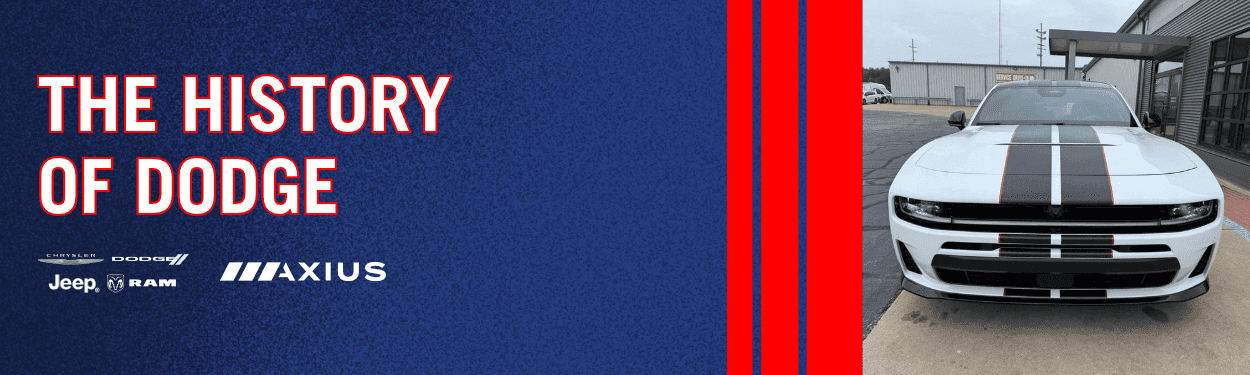 Dodge has spent more than a century building a reputation for powerful engines, bold styling, and vehicles with plenty of personality. From its early days as a parts supplier to some of the biggest names in the automotive industry to the muscle cars and performance vehicles drivers recognize today, Dodge has played an important role in American automotive history.
The Dodge Brothers: Where It All Began
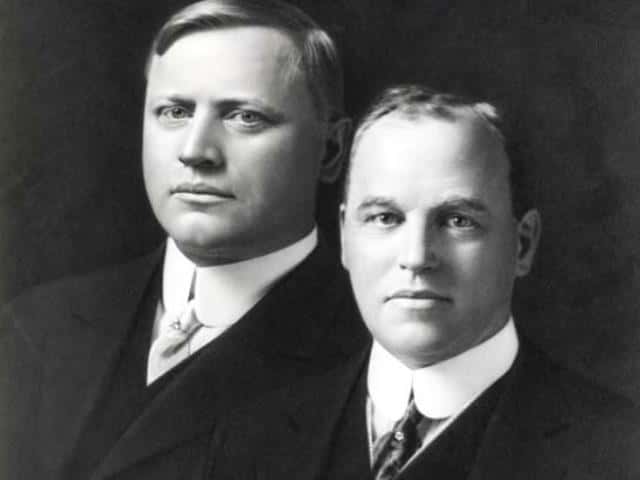 The story of Dodge began with brothers John Francis Dodge and Horace Elgin Dodge. Born in Michigan during the 1860s, the brothers developed mechanical skills and business experience before entering the automotive industry.
In 1900, they established the Dodge Brothers Company in Detroit. Their early business focused on manufacturing precision parts, including components used by other automobile manufacturers. Their reputation for dependable engineering helped them secure important contracts with established companies, including the Ford Motor Company.
The Dodge brothers supplied engines, transmissions, and other mechanical components for Ford vehicles. Their manufacturing expertise gave them a strong foundation in an industry that was growing quickly as automobiles became more accessible to American families.
However, the brothers eventually wanted to build vehicles under their own name.
1914: Dodge Builds Its First Automobile
In 1914, Dodge introduced its first passenger car, the Dodge Model 30. The vehicle offered a combination of durability, practical engineering, and features that distinguished it from many competitors of the time.
While some early automobiles relied heavily on wood construction, Dodge used an all-steel body. The Model 30 also featured a four-cylinder engine and a three-speed transmission, helping establish the company’s reputation for building sturdy, capable vehicles.
The first Dodge automobiles quickly attracted attention. Buyers appreciated their construction and performance, while the company’s manufacturing background helped it compete in an increasingly crowded market.
By the time John and Horace Dodge died in 1920, the company had already become an established name in American automotive manufacturing. Their legacy continued as Dodge expanded its lineup and grew its presence across the country.
Growing Through the Golden Age of the Automobile
During the 1920s and 1930s, Dodge continued developing cars and commercial vehicles for a growing American market. The brand expanded beyond its original passenger cars, producing vehicles designed for families, businesses, and people who needed dependable transportation.
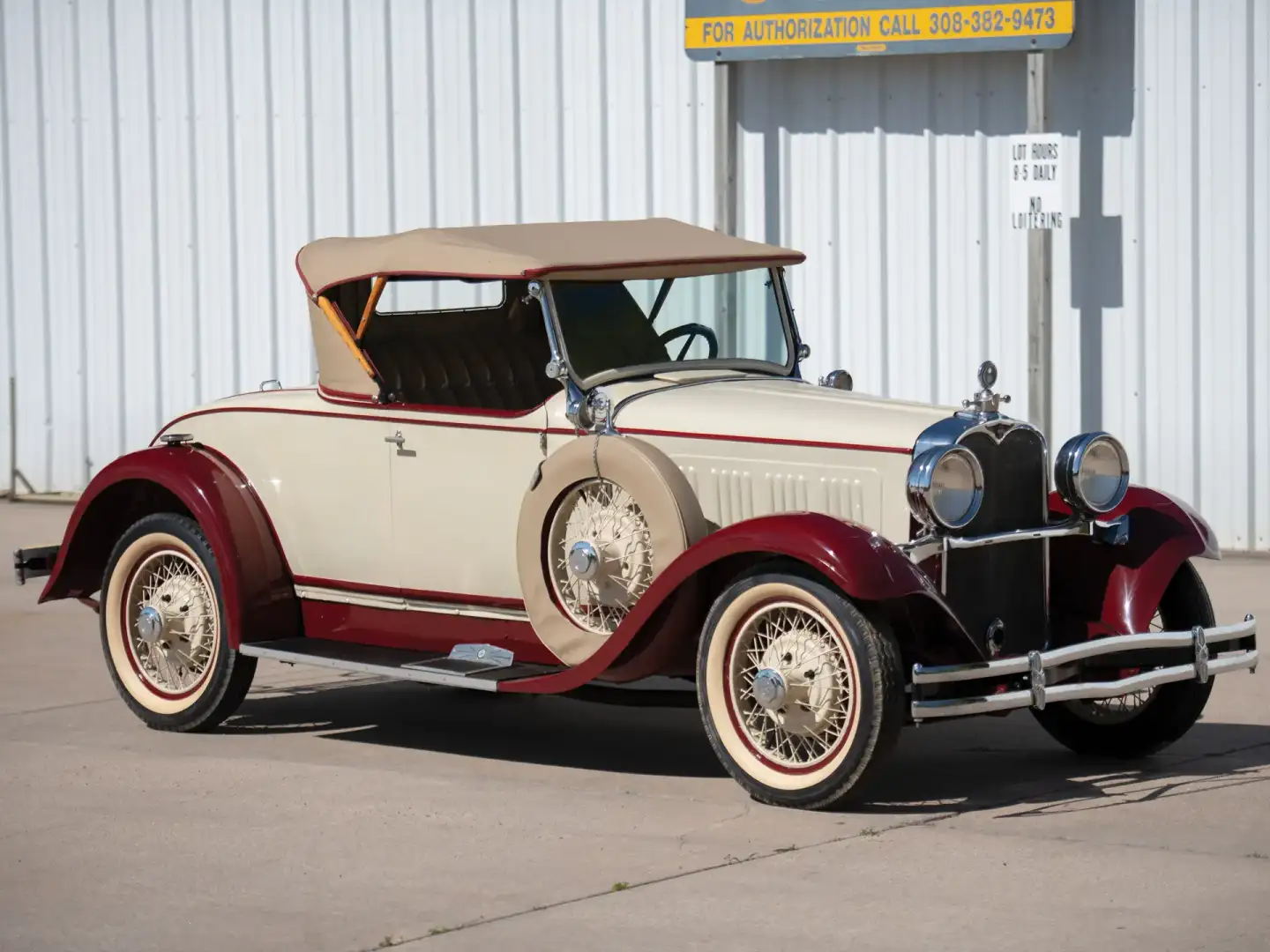
In 1928, Chrysler Corporation acquired Dodge. The purchase brought Dodge into a larger automotive organization with additional manufacturing resources and a broader dealer network.
Under Chrysler ownership, Dodge continued to develop vehicles that balanced practicality with performance. Trucks became an important part of the lineup, and the brand gradually built a reputation for producing vehicles that could handle demanding work.
As American roads improved and more families purchased automobiles, Dodge adapted to changing expectations. Styling became more distinctive, engines became more capable, and buyers gained more options when choosing a vehicle.
These developments helped prepare Dodge for one of the most influential periods in its history: the rise of the American muscle car.
The Rise of Dodge Muscle Cars
By the 1960s, American automakers were competing to build faster, more powerful cars. Drivers wanted vehicles that offered more than basic transportation, and manufacturers responded with larger engines, aggressive styling, and performance-focused engineering.
Dodge became a major participant in this movement.
The Dodge Charger debuted in 1966 as a sporty, fastback-style car with a distinctive appearance. Its long profile, bold front end, and available V8 engines helped establish the Charger as a serious performance vehicle.
The Charger gained even greater recognition with the introduction of high-performance versions, including the legendary Charger R/T. These models combined striking styling with powerful engines, giving drivers a car that looked as aggressive as it performed.
Dodge also introduced the Challenger in 1970. Designed to compete in the growing pony car segment, the Challenger offered a range of engine options and a muscular appearance that appealed to enthusiasts.
High-performance versions, including models equipped with HEMI V8 engines, helped cement Dodge’s place in muscle car history.
The original muscle car era did not last forever. Rising insurance costs, changing emissions regulations, fuel concerns, and new safety requirements affected the performance market during the 1970s. Automakers had to rethink how they approached power and efficiency.
Even as the market changed, the Dodge Charger and Challenger names remained important parts of American automotive culture.
The HEMI Engine and Dodge Performance
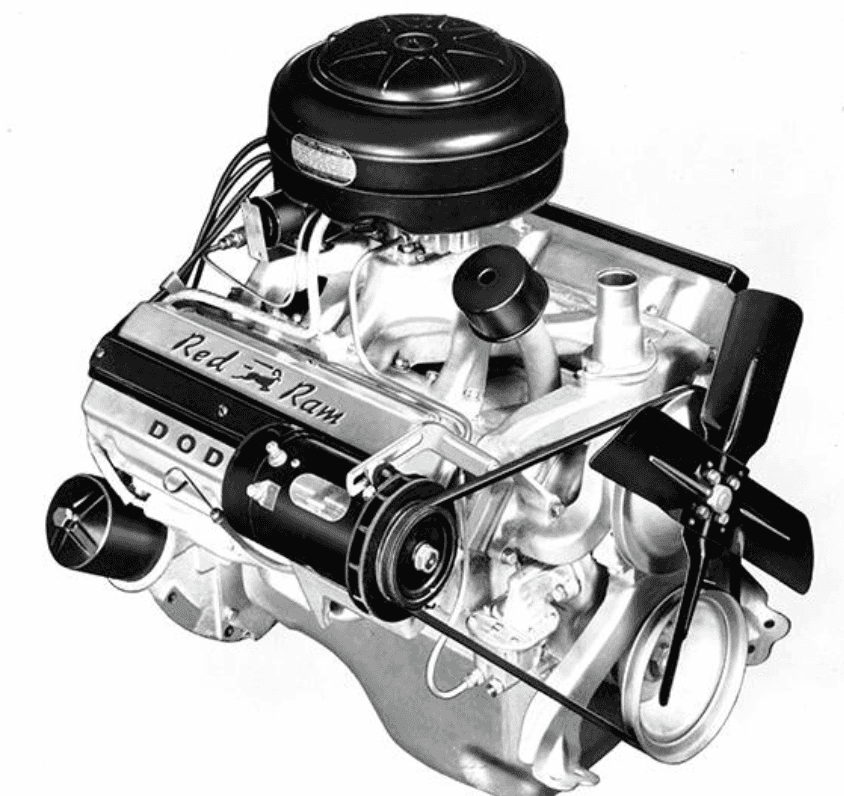 One of the most recognizable parts of Dodge history is the HEMI engine.
The name comes from its hemispherical combustion chamber design, which became associated with Chrysler’s powerful V8 engines. The design helped support efficient airflow and strong performance, making HEMI engines popular among racing teams and performance enthusiasts.
The 426 HEMI, introduced for the 1964 racing season and later offered in select production vehicles, became one of the most celebrated engines of the muscle car era. Its reputation grew through motorsports success and its availability in high-performance Dodge and Plymouth models.
Dodge continued building on the HEMI legacy in later decades. Modern HEMI V8 engines brought traditional muscle car power into vehicles equipped with contemporary suspension systems, braking technology, and driver assistance features.
For many enthusiasts, a Dodge equipped with a HEMI represents the connection between the brand’s racing heritage and its modern performance lineup.
The HEMI name also illustrates how Dodge has maintained a recognizable identity through changing automotive trends. Engine technology has evolved, but power and performance have remained central to the brand’s reputation.
Dodge in the Modern Era
Dodge entered the 21st century with a renewed focus on performance, introducing vehicles that combined classic muscle car styling with modern engineering.
The return of the Dodge Charger in 2005 brought the nameplate back as a four-door sedan. This gave drivers the opportunity to enjoy muscle car performance while keeping the practicality of a full-size passenger car.
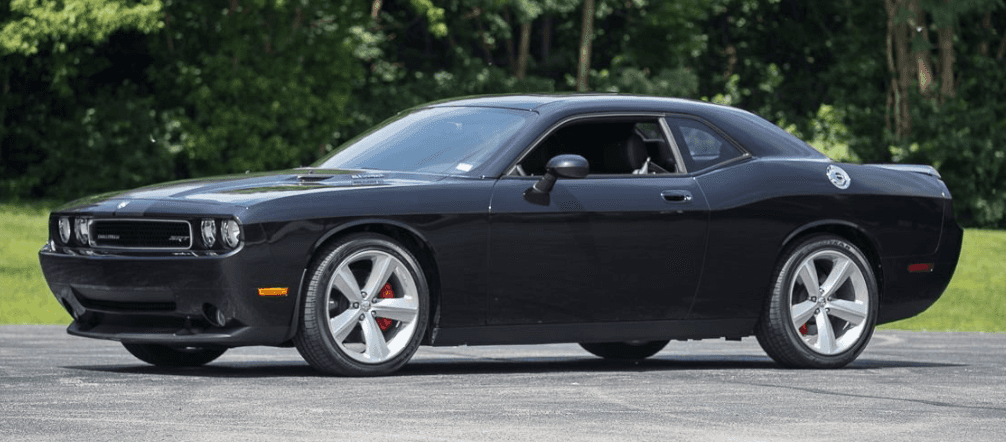
The Dodge Challenger returned for the 2008 model year, drawing heavily from the styling of the original 1970 model. Its retro-inspired design, wide range of powertrains, and available high-performance packages helped make it a favorite among muscle car enthusiasts.
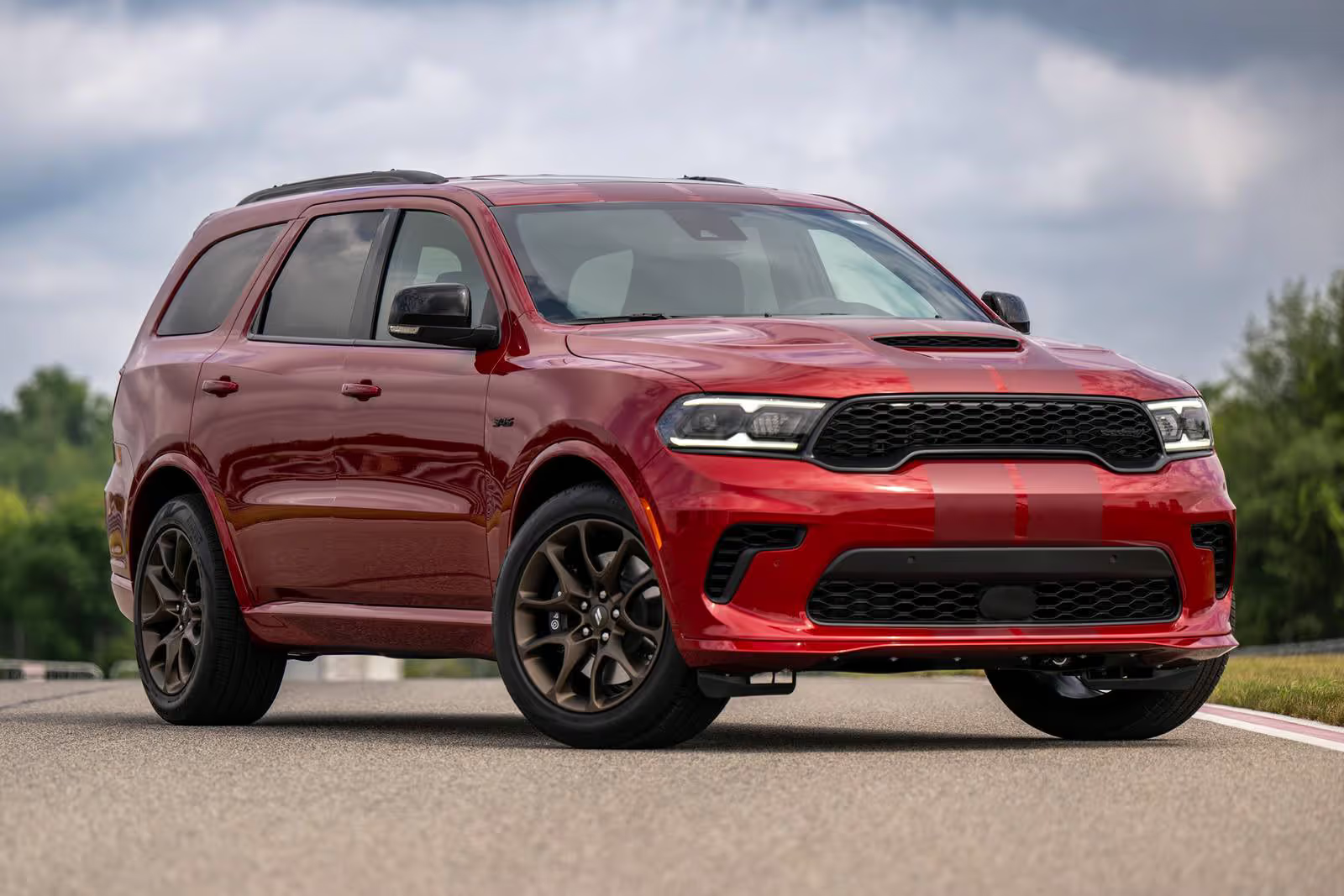
Dodge also expanded its performance identity beyond traditional two-door coupes and sedans. The Dodge Durango became an important part of the lineup, offering SUV space with available V8 power and towing capability.
The Durango SRT and SRT Hellcat versions demonstrated that Dodge could bring its performance philosophy to a three-row SUV. Drivers could enjoy strong acceleration and substantial capability without giving up the room needed for passengers, cargo, and everyday driving.
Meanwhile, special editions and limited-production models continued to push the limits of Dodge performance. Vehicles such as the Challenger SRT Hellcat and Dodge Challenger SRT Demon earned attention for their extraordinary horsepower and drag-strip potential.
The Challenger SRT Demon, introduced for the 2018 model year, was developed with straight-line performance as a major priority. It showcased how far Dodge was willing to go to create vehicles for enthusiasts who wanted something beyond an ordinary sports car.
The End of an Era and the Next Chapter
The 2023 model year marked the final year of production for the modern Dodge Challenger and Charger in their familiar gasoline-powered forms. Their departure represented a major turning point for a brand closely associated with V8 muscle cars.
Dodge marked the occasion with special editions and performance-focused models that celebrated the cars’ history. For longtime enthusiasts, the end of this generation brought an opportunity to reflect on a period defined by powerful engines, bold styling, and a strong connection to American performance culture.
However, Dodge did not abandon its performance identity.
The next generation of the Dodge Charger introduced a new direction for the brand, including the all-electric Charger Daytona and a return to turbocharged gasoline power through the Charger SIXPACK lineup.
The electric Charger Daytona brought performance-focused electric propulsion into a nameplate traditionally associated with combustion engines. The newer platform also retained design cues connected to the Charger’s heritage, including its wide stance and unmistakable presence.
For drivers who prefer gasoline power, the SIXPACK models offer another path forward. Their twin-turbocharged 3.0-liter Hurricane inline-six engine represents a significant change from the traditional HEMI V8 formula while continuing Dodge’s emphasis on performance.
This transition reflects a larger shift across the automotive industry. Manufacturers are exploring new powertrain technologies while working to preserve the driving experiences that made their brands popular.
Dodge’s challenge is to carry its heritage into a different automotive landscape without losing the character that made its vehicles recognizable in the first place.
What Makes Dodge Stand Out Today?
Dodge has changed considerably since the first Model 30 rolled off the production line, but several qualities continue to define the brand.
Performance-focused engineering: Dodge has a long history of developing powerful engines and vehicles designed to deliver strong acceleration. Modern Chargers and performance-oriented Durango models continue that tradition in different ways.
Distinctive styling: From the classic Charger fastback to the modern widebody Challenger and the latest Charger generation, Dodge vehicles have often stood apart through bold proportions and unmistakable design.
Everyday practicality: Performance does not have to mean sacrificing utility. The Dodge Durango offers seating for up to seven, depending on configuration, along with available V8 power and towing capability. The four-door Charger has also offered a balance of performance and passenger space.
A connection to automotive culture: Dodge has built a loyal following through its muscle cars, special editions, motorsports history, and enthusiast-focused engineering. The brand’s vehicles have become familiar sights at car shows, drag strips, and automotive gatherings.
These qualities help explain why Dodge remains relevant to drivers who want a vehicle with personality as well as useful everyday features.
Finding Your Next Dodge at Axius CDJR
Dodge’s history offers plenty of reasons to appreciate the brand, whether you are interested in classic muscle cars, modern performance sedans, or a capable SUV.
At Axius CDJR in Goshen, Indiana, drivers can explore the Dodge lineup and find a vehicle that fits their needs. The Dodge Durango offers a compelling option for families who want passenger space, available V8 performance, and towing capability. The modern Charger brings a familiar performance name into a new generation with multiple powertrain options.
Used Dodge vehicles can also be worth considering. Depending on availability, a pre-owned Charger, Challenger, or Durango may offer an opportunity to experience a particular generation, engine, or trim level that appeals to you.
If you are shopping for a Dodge in Goshen or the surrounding Northern Indiana area, consider your priorities before choosing a model. Think about passenger space, cargo capacity, performance, fuel economy, and how you plan to use the vehicle throughout the year.
The right choice depends on what matters most to you, whether that means weekend drives, daily commuting, family travel, or the excitement of owning a performance-oriented vehicle.
0 comment(s) so far on The History Of Dodge